 Editorial illustration
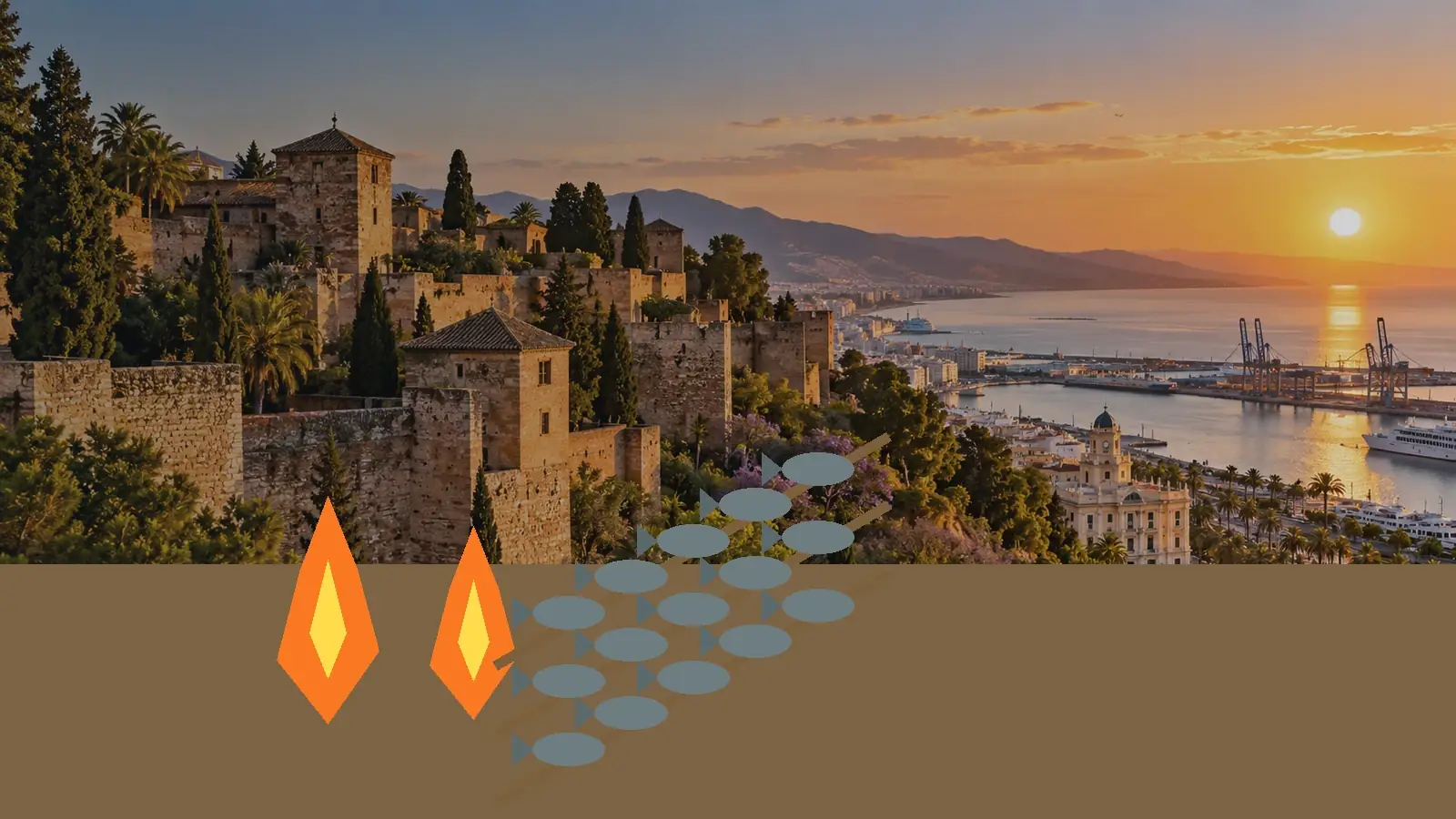
Espetos: technique, place and Málaga identity
Few foods are as closely associated with the Málaga coast as the espeto.
Read guide →Search practical Costa del Sol guides by destination, plan and travel style. Start broad or narrow it down in seconds.
Search all guidesCompare practical ways to reach the main holiday areas. Check live transport times before travelling.
Choose your season, find local markets and compare the best areas to stay. Practical guides, not live forecasts.
Choose a place to filter the catalogue. Counts include public guides and local ideas.
A complete, destination-grouped directory. These links open published articles; use the filters above to narrow your search.
Editorial illustrationFew foods are as closely associated with the Málaga coast as the espeto.
Read guide → Editorial illustration
The Costa del Sol's waterfront tells two stories at once.
Read guide → Editorial illustration
Verdiales are one of Málaga's most distinctive living traditions.
Read guide → Editorial illustration
The food of inland Málaga cannot be reduced to one single "mountain cuisine".
Read guide → Editorial illustration
Before marinas, beach clubs and apartment towers became part of the Costa del Sol skyline, much of the coast was shaped by fishing communities. One of the strongest surviving symbols of that older maritime world is the…
Read guide → Editorial illustration
The Roman history of Málaga is easy to reduce to one monument: the Roman Theatre beside the Alcazaba. But the archaeological story is much broader. Roman Malaca was a port city shaped by trade, fish processing, civic…
Read guide →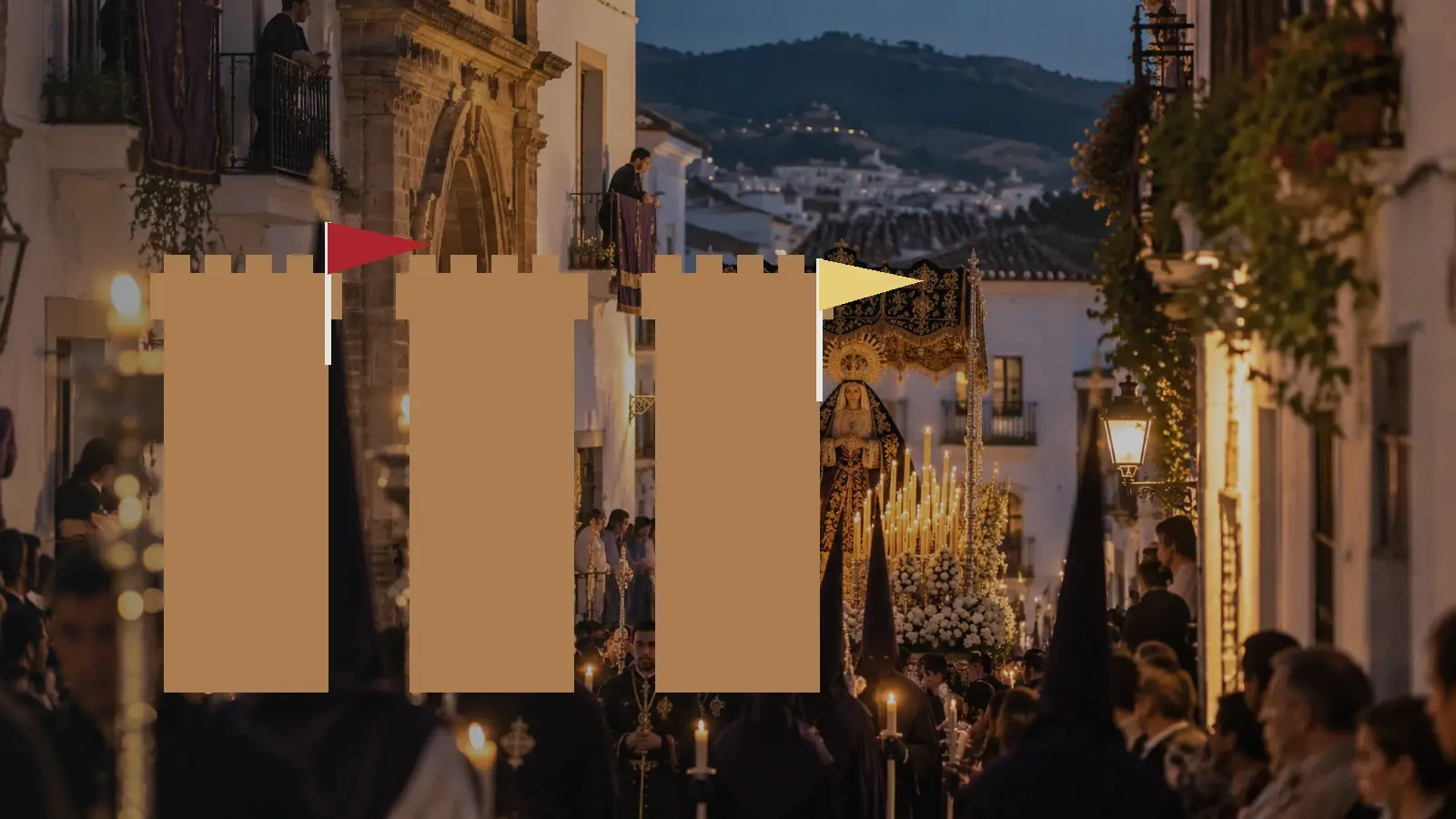 Editorial illustration
The conquest of Málaga in 1487 was not simply the end of one military campaign. It changed who lived in the city, how property was distributed, how the municipality was governed and how religious and civic space was…
Read guide →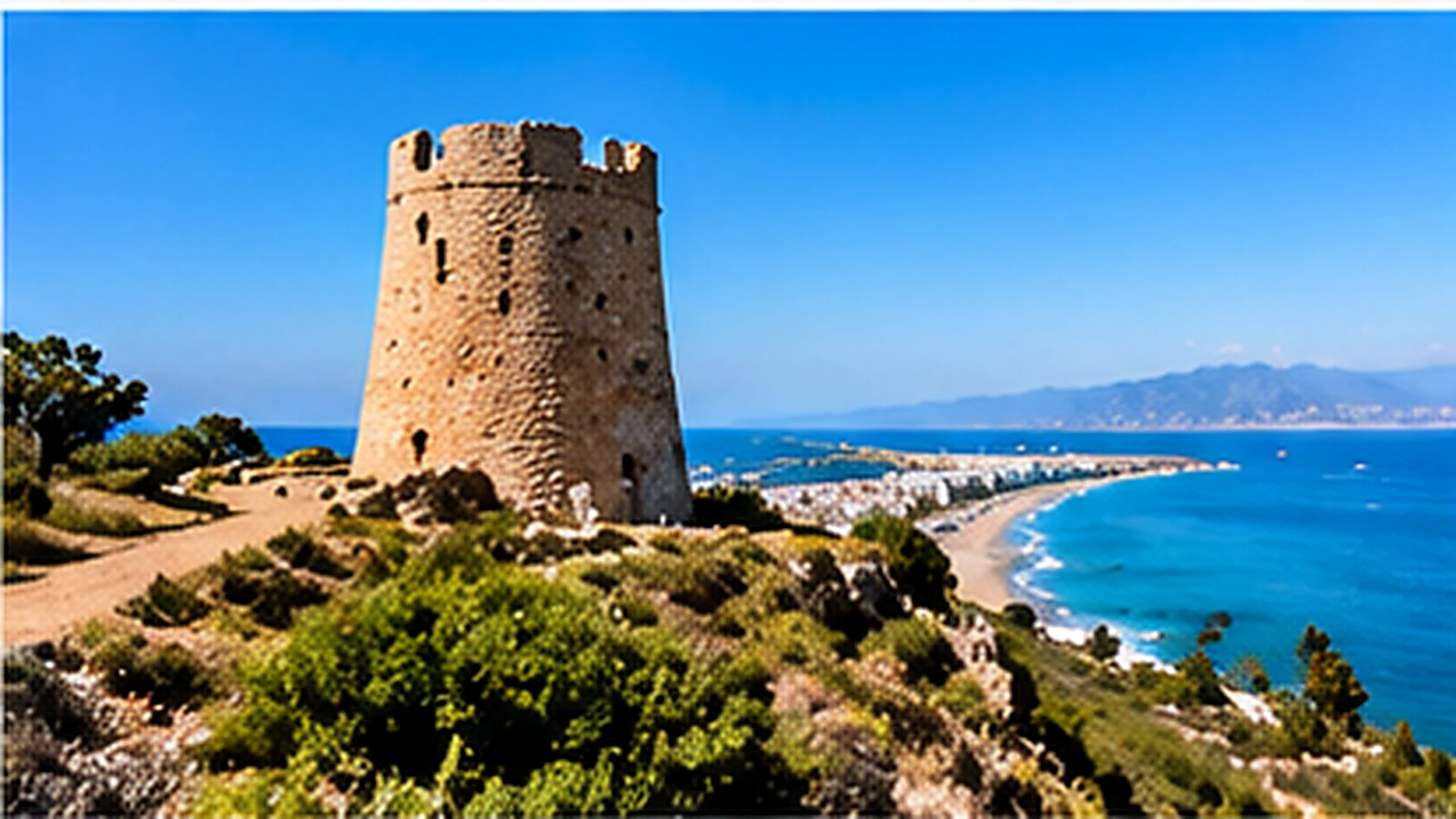 Editorial illustration
Long before the Costa del Sol became associated with beaches and tourism, the shoreline was also a defensive frontier.
Read guide →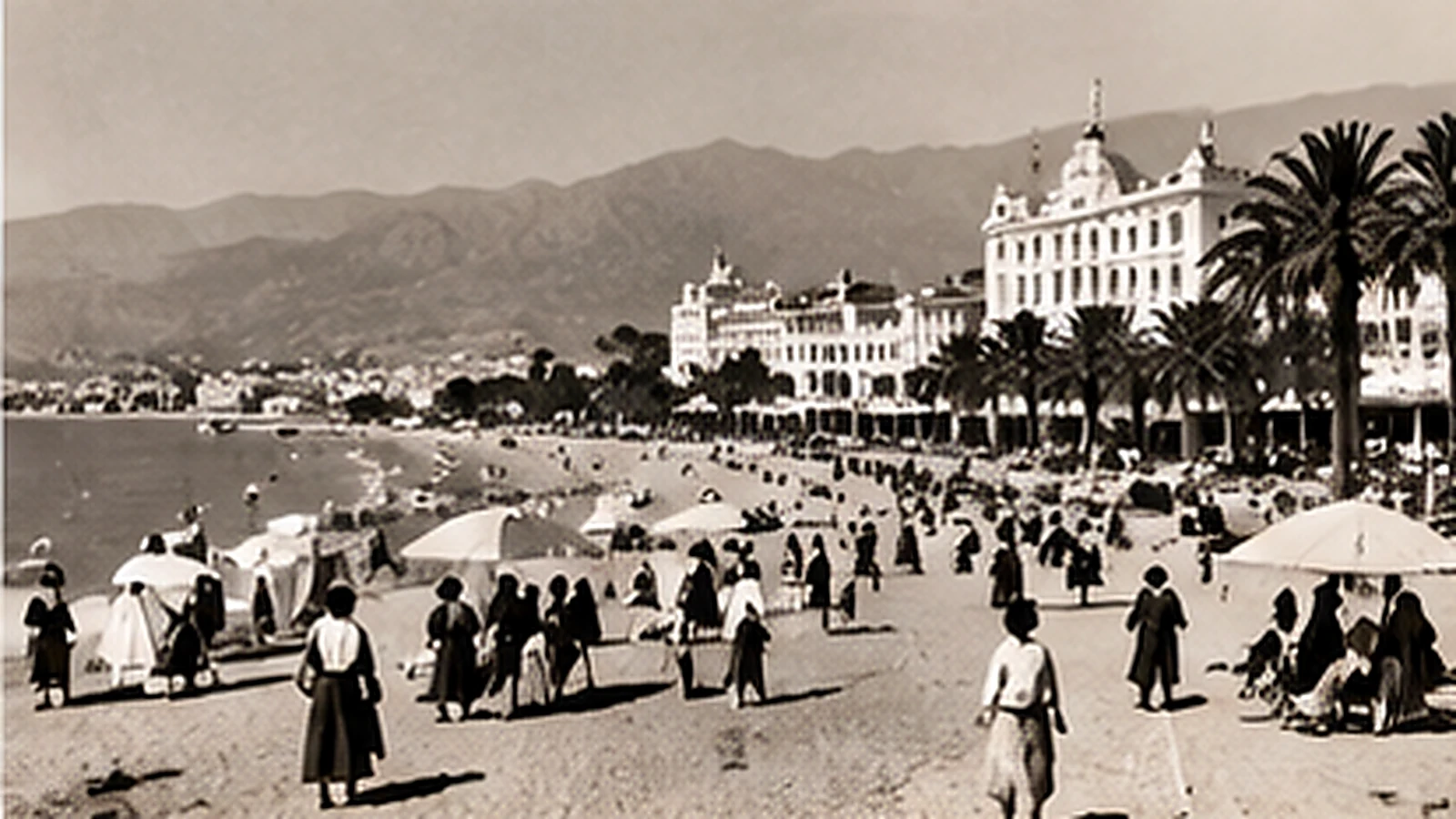 Editorial illustration
The Costa del Sol did not suddenly appear as a tourism destination in the 1960s. Málaga was already looking toward tourism at the beginning of the 20th century, when local institutions promoted major festivities and…
Read guide →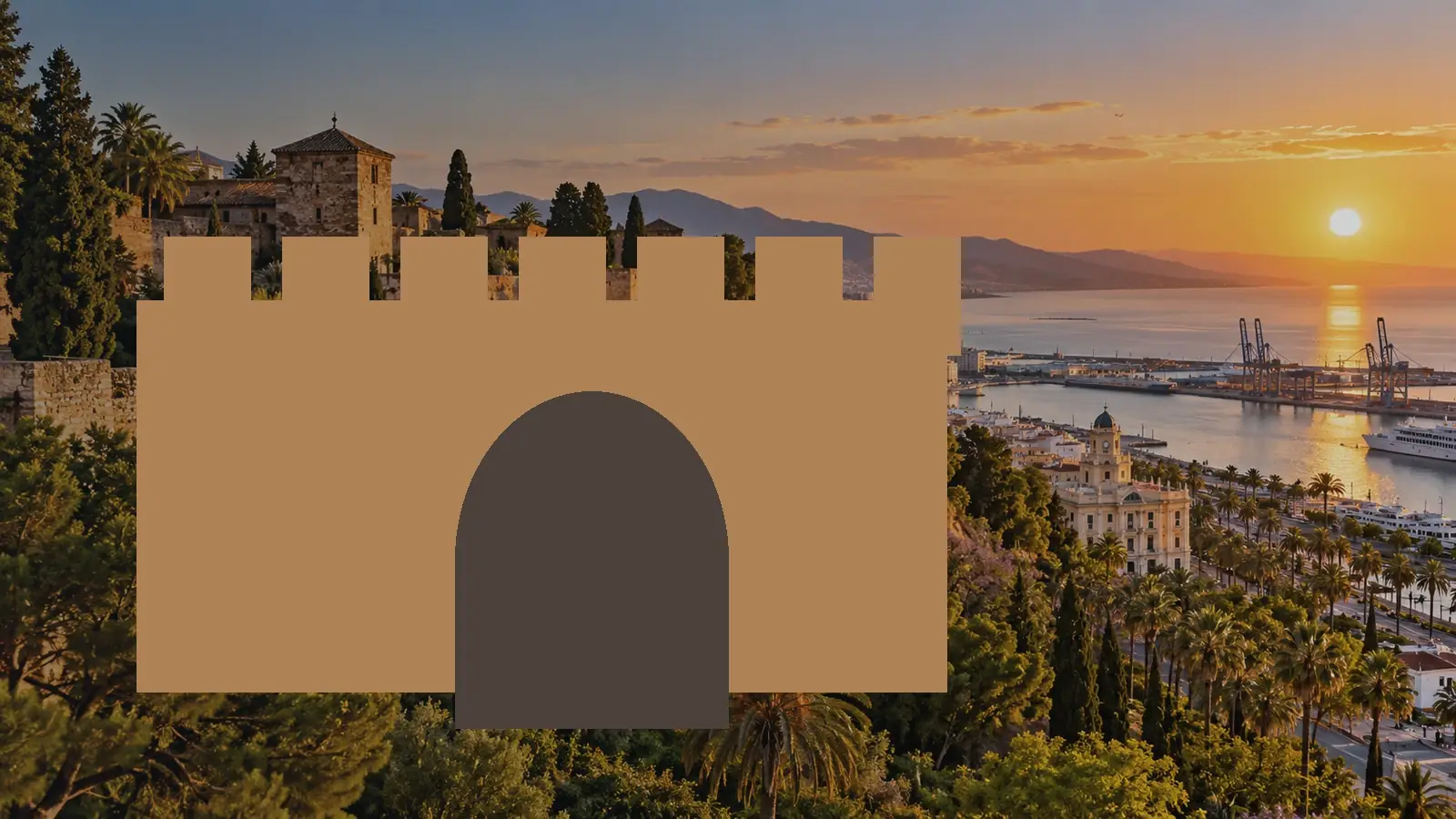 Editorial illustration
The Alcazaba is the most visible surviving monument from Muslim Málaga, but it was only one part of a much larger urban system. Medieval Málaga was organised around a fortified medina, suburban districts, craft areas,…
Read guide → Editorial illustration
Modern visitors often associate Málaga with tourism, museums and the seafront. In the middle decades of the 19th century, however, the city was one of Spain's most important early industrial centres.
Read guide → Editorial illustration
Long before Roman Malaca, the coast around today’s Málaga was already part of a Mediterranean world of sailors, merchants, craftspeople and fortified settlements. The useful way to understand the city’s Phoenician past…
Read guide → Editorial illustration
The C1 commuter train is one of the most useful pieces of transport infrastructure on the Costa del Sol.
Read guide →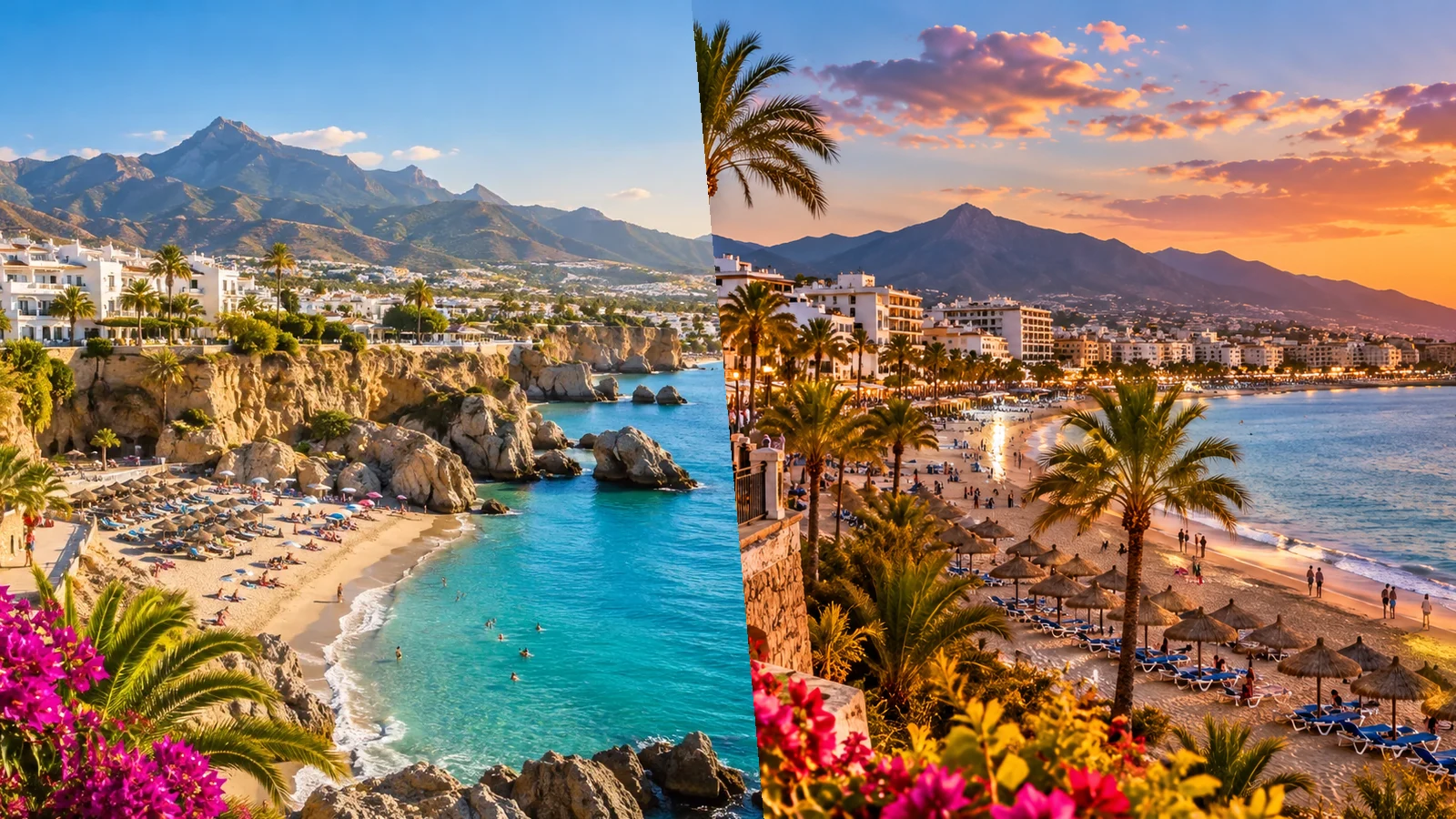 Editorial illustration
There is no universally better side of the Costa del Sol.
Read guide → Editorial illustration
A calm-looking Mediterranean beach can change quickly.
Read guide → Editorial illustration
Accessibility on the Costa del Sol is not a yes-or-no property of an entire destination.
Read guide →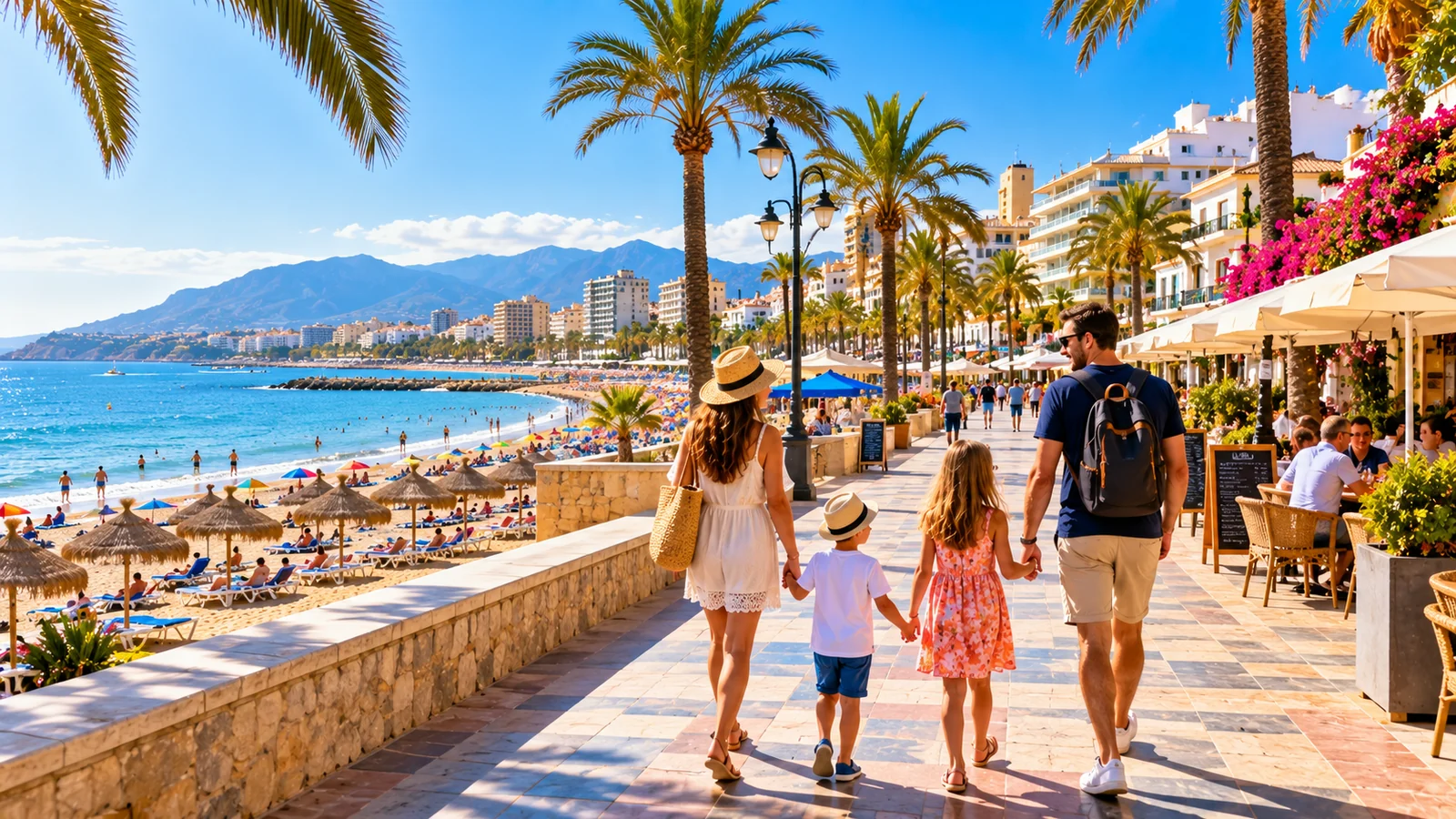 Editorial illustration
The best base on the Costa del Sol depends on the trip you want.
Read guide → Editorial illustration
The Costa del Sol looks simple on a map: one coastline, many towns.
Read guide →