How tourism transformed the Costa del Sol
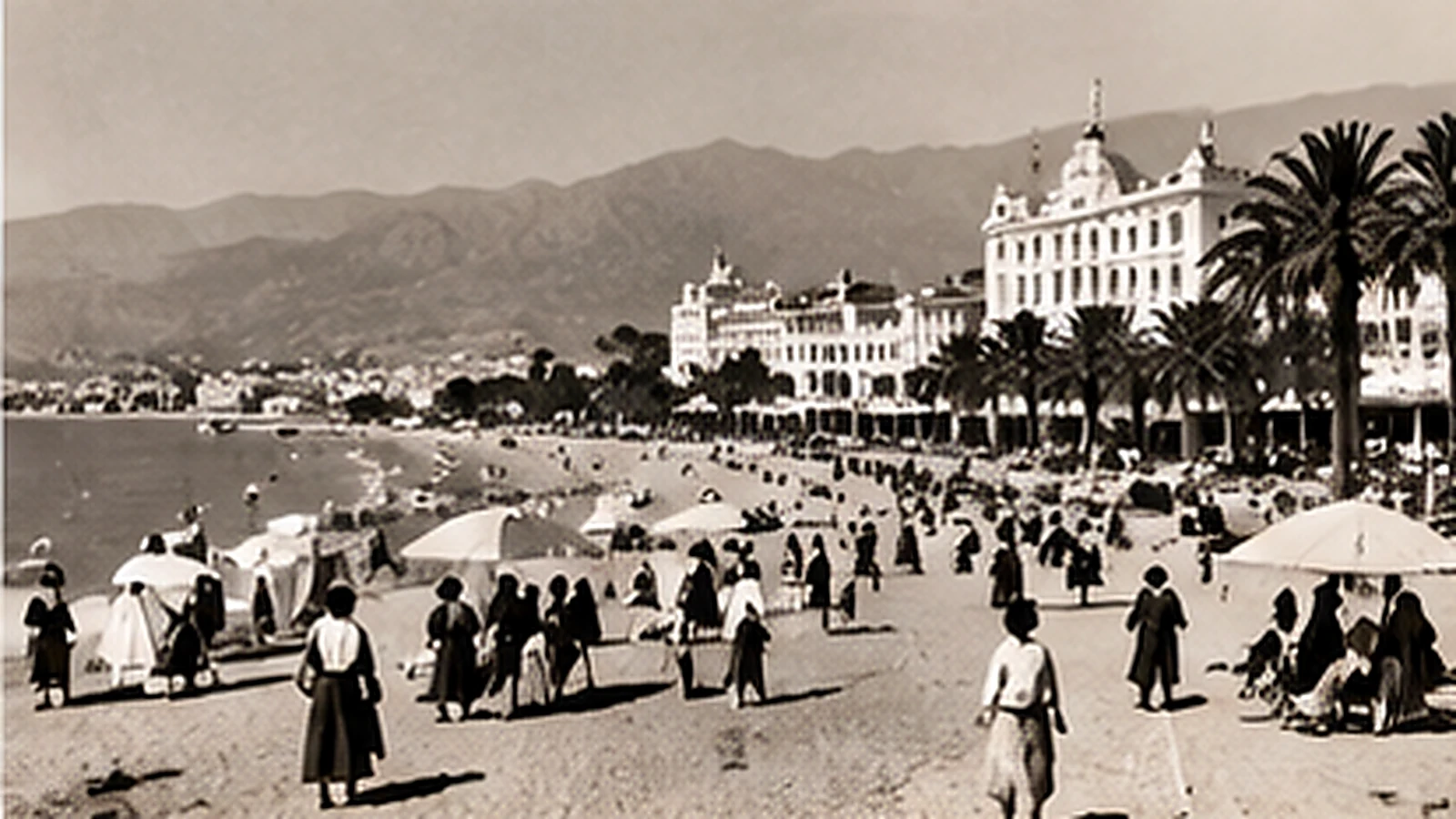
The Costa del Sol did not suddenly appear as a tourism destination in the 1960s. Málaga was already looking toward tourism at the beginning of the 20th century, when local institutions promoted major festivities and luxury hotels began to appear.
How tourism transformed the Costa del Sol
The Costa del Sol did not suddenly appear as a tourism destination in the 1960s. Málaga was already looking toward tourism at the beginning of the 20th century, when local institutions promoted major festivities and luxury hotels began to appear.
What changed from the 1960s onward was scale. Tourism became one of the main forces reshaping the economy, population and urban form of the coast.
Tourism began as an alternative
Málaga's official city history describes tourism as an emerging economic alternative in the early 20th century, during a period when the city was struggling with the consequences of industrial decline and wider social and economic crisis.
Festivals such as the Feria de Agosto, Carnival and Semana Santa were promoted, while high-end hotels including the Caleta and the Príncipe de Asturias were built.
These initiatives did not yet amount to mass tourism, but they show that the idea of attracting visitors predates the later boom by several decades.
The decisive change came after 1960
From the 1960s, the scale of tourism development changed dramatically.
Municipal planning documents describe tourism and construction as the new economic pairing that followed the collapse of much of Málaga's earlier industrial base. Educational material from the city also describes a powerful demographic "boom" on the Costa del Sol linked to the growth of tourism from around 1960.
Málaga city itself had around 190,000 inhabitants in 1930 and exceeded 300,000 by 1960. The wider coastal corridor also grew quickly as jobs, housing and services expanded around the new tourism economy.
Tourism was not the only cause of population growth, but it became one of the most important structural forces behind the transformation.
Growth was fast — and often disorderly
The boom created employment, investment and infrastructure, but official urban-planning sources also describe the expansion as rapid and disorderly.
New neighbourhoods appeared, coastal land was urbanised and construction became closely tied to the service economy. In some places, older urban fabric and landscapes were altered or replaced to make room for roads, hotels, apartment blocks and new residential areas.
That is why the tourism story cannot be reduced to visitor numbers or beach resorts. It is also a story about how towns physically changed.
The coast became a connected tourism corridor
Over time, the Costa del Sol developed into one of the most tourism-intensive areas of Andalusia.
Regional tourism material today describes a coastline of more than 150 kilometres with a dense concentration of accommodation, marinas, golf courses, sports facilities and leisure services, especially in the western part of the coast.
This infrastructure did not develop in one place or at one moment. Torremolinos, Benalmádena, Fuengirola, Marbella, Estepona and other towns each followed their own path, but together they created a continuous tourism corridor with strong international recognition.
Older economies did not disappear overnight
The rise of tourism did not instantly erase fishing, agriculture or industry.
Fishing communities continued along the coast. Agricultural production remained important inland and in the Axarquía. Industrial activity survived in different forms. What changed was the balance of the regional economy: services, construction and tourism became increasingly dominant.
That coexistence is important because it prevents the Costa del Sol from being read as a place that began with tourism.
From sun-and-beach to a broader tourism model
Later decades brought another shift.
Málaga city invested heavily in transport infrastructure, museums and cultural tourism. The wider coast also diversified through golf, marinas, gastronomy, events, nature, shopping and short city breaks.
The result is a tourism economy that still depends heavily on climate and coastline but no longer fits neatly into the old "sun and beach" label.
Why this history matters when visiting today
Many of the contrasts visible on the Costa del Sol make more sense when this transformation is understood.
Fishing districts sit beside modern marinas. Historic centres exist next to large resort zones. Former industrial areas have become residential or cultural districts. Towns that were once relatively small grew into major urban centres within a few generations.
Tourism brought prosperity, jobs and global visibility, but also pressure on land, housing, infrastructure and the urban environment.
The Costa del Sol is best understood not as a resort region that appeared fully formed, but as a coastline repeatedly transformed by changing economies — first maritime and agricultural, then industrial in parts, and eventually dominated by tourism and services.
Sources used for this draft
- Ayuntamiento de Málaga · Historia ampliada
- Ayuntamiento de Málaga · Educación: Tras las huellas
- Ayuntamiento de Málaga · Urbanismo: Málaga y el urbanismo del siglo XX
- Turismo de Andalucía · Costa del Sol