The Cenachero: Málaga's fishing symbol
The Cenachero is one of Málaga city's most recognisable traditional figures.
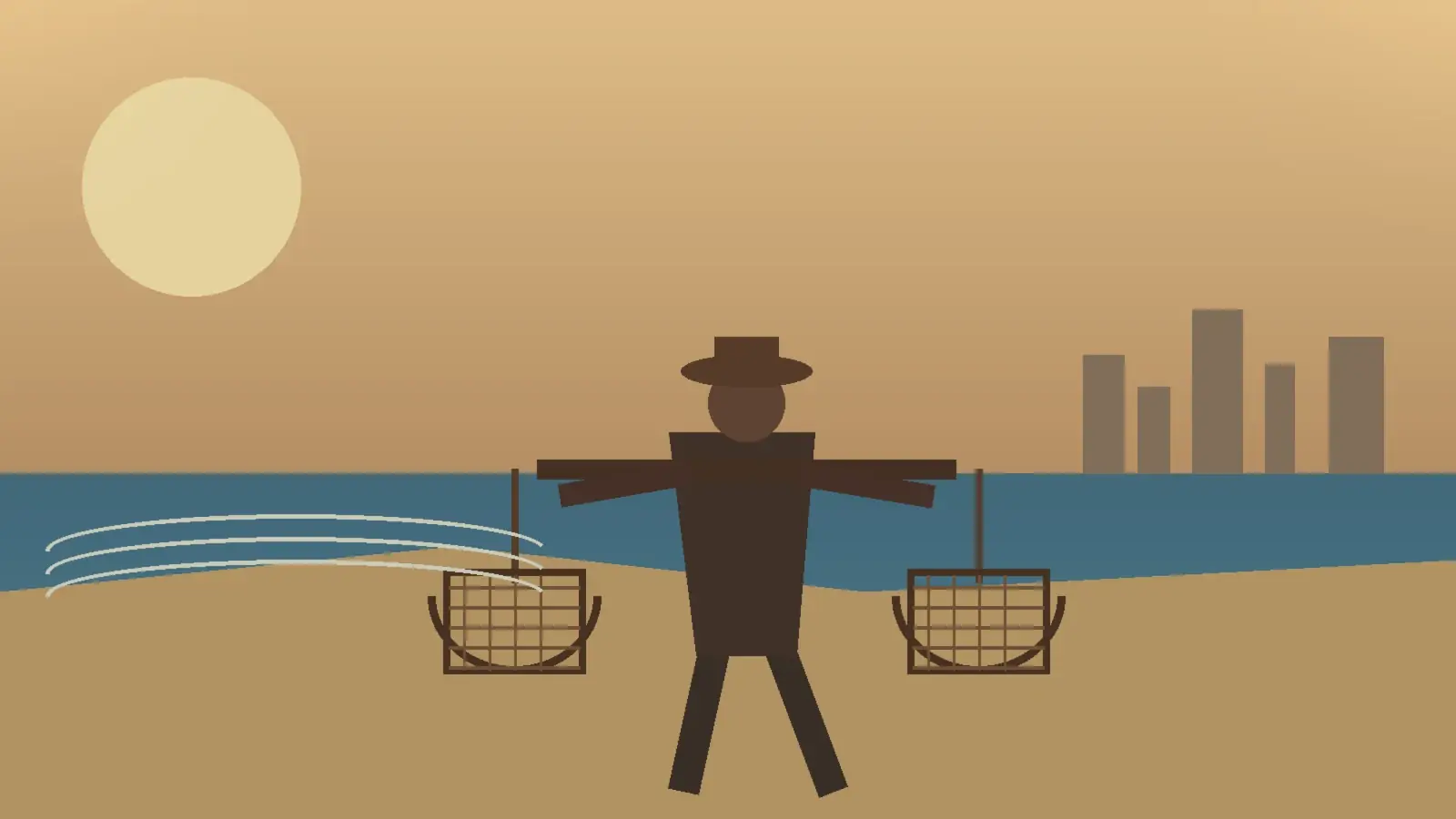
The Cenachero: Málaga's fishing symbol
The Cenachero is one of Málaga city's most recognisable traditional figures.
It represents a fish seller carrying baskets of fish — cenachos — and preserves the memory of an occupation connected with markets, streets and the maritime economy.
The symbol turns everyday labour into part of civic identity.
Who was a cenachero?
A cenachero sold and transported fish.
The name comes from the baskets used to carry the catch.
Before modern refrigeration, logistics and supermarket distribution, fish needed to move quickly from landing places and markets to customers.
Street sellers were part of that chain.
The symbol is about work
It is easy to romanticise the Cenachero as a picturesque old character.
But the occupation represented hard physical labour and a practical role in urban food distribution.
That working-class dimension is important.
The symbol became meaningful because it represented a real part of the city's relationship with the sea.
The sculpture fixed the image in public space
The best-known sculptural representation of the Cenachero dates from 1964.
Its public presence helped turn the historical occupation into a visual emblem of Málaga.
The sculpture should therefore be read in two layers: as a 20th-century monument and as a representation of an older occupation.
Fishing shaped the city beyond the beach
The Cenachero connects coastal fishing with urban life.
Fish did not remain at the harbour. It moved through markets, streets and neighbourhoods.
The figure therefore complements other maritime symbols such as the jábega, espeto and fishing districts.
Together they show a complete economic chain: catching, landing, carrying, selling and eating fish.
Why it became a civic symbol
Cities often choose symbols that represent famous rulers, monuments or grand historical events.
The Cenachero is different.
It represents an ordinary worker.
That makes it especially valuable as a reminder that Málaga's identity was also built by labour, markets and everyday food culture.
Do not confuse occupation and sculpture
The cenachero as an occupation is older than the 1964 sculpture.
The statue did not create the profession.
Instead, it transformed the memory of that work into a durable public image.
Keeping those two timelines separate prevents the symbol from becoming a vague piece of folklore.
A useful link between sea and city
When visitors see the Cenachero, the most useful question is not simply "who is this statue?"
It is "what kind of city needed this worker?"
That question leads directly to fishing, markets, transport and the everyday economy of historic Málaga.
From harbour to neighbourhood
The cenachero belonged to a wider chain of work.
Fish first had to be caught, landed and sorted before it could be moved through markets and streets. The seller represented the urban end of that chain, carrying a perishable product quickly toward customers.
That makes the figure useful for understanding how closely historic Málaga connected sea and city. Fishing was not confined to the shoreline; it shaped food supply and street commerce inland from the beach.
The baskets explain the name
The word cenachero is linked to the cenachos used for carrying fish.
The baskets were practical tools before they became visual symbols. Their presence in representations of the cenachero helps explain the occupation immediately: movement, weight and selling were central to the job.
For visitors, noticing the baskets is more informative than treating the sculpture as a generic fisherman.
Why ordinary labour becomes heritage
Cities often preserve elite architecture more easily than everyday work.
A figure such as the Cenachero helps recover another kind of history: occupations that were familiar to residents but left fewer monumental traces.
That is why the symbol matters beyond nostalgia. It makes labour visible in the story of the city.
A bridge to other Málaga traditions
The Cenachero also connects naturally to other maritime themes.
The jábega represents fishing at sea and on the beach. The espeto shows fish entering food culture. Markets represent distribution and sale.
Seen together, these traditions create a fuller picture of how the sea shaped daily life.
Sources used for this draft
- Ayuntamiento de Málaga · municipal cultural material on city symbols
- Ayuntamiento de Málaga · municipal records concerning the Cenachero
Continue your Costa del Sol planning
Other published guides for the same destination or a closely related topic.