Málaga with kids: making a city-and-beach stay work
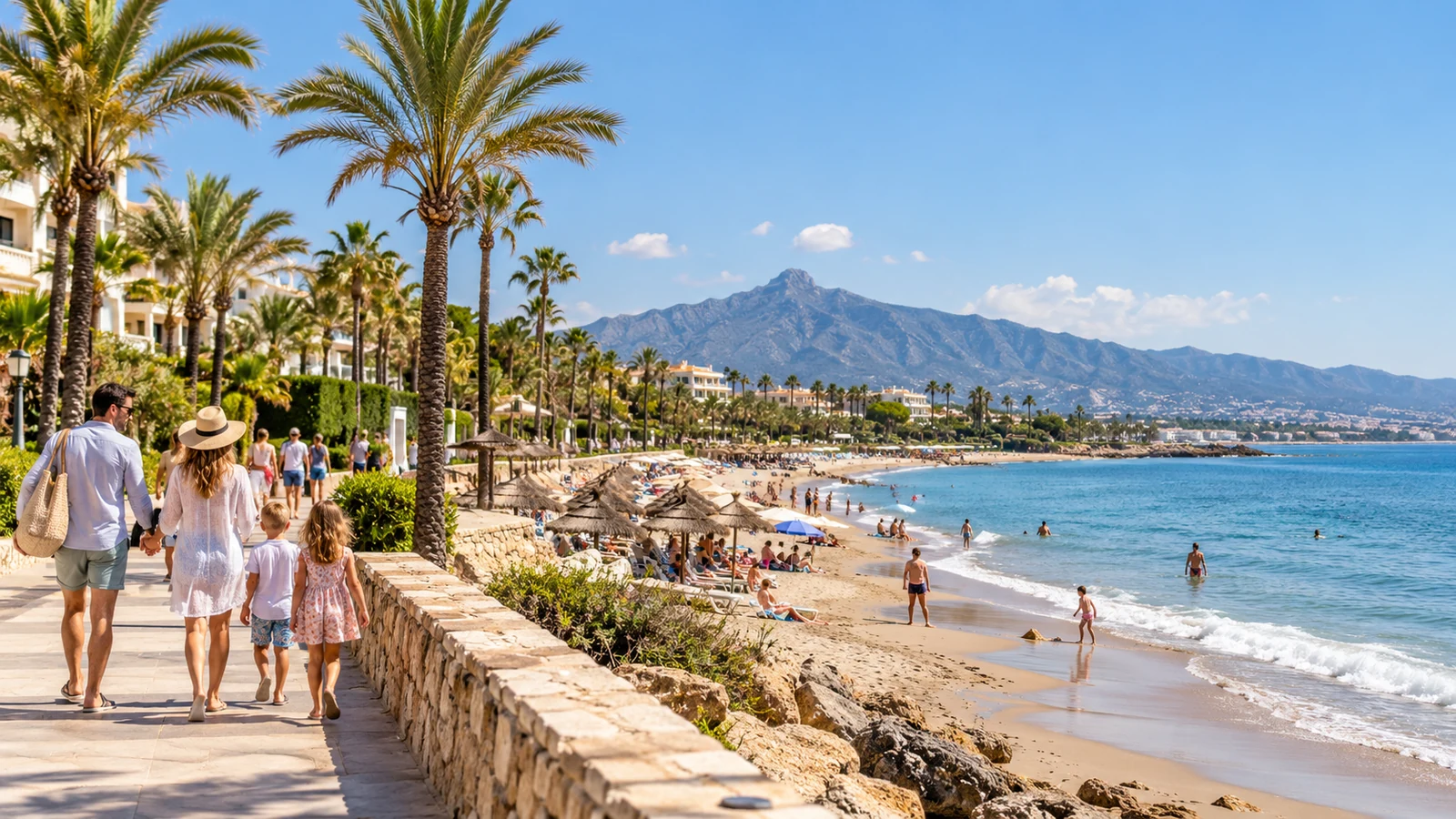
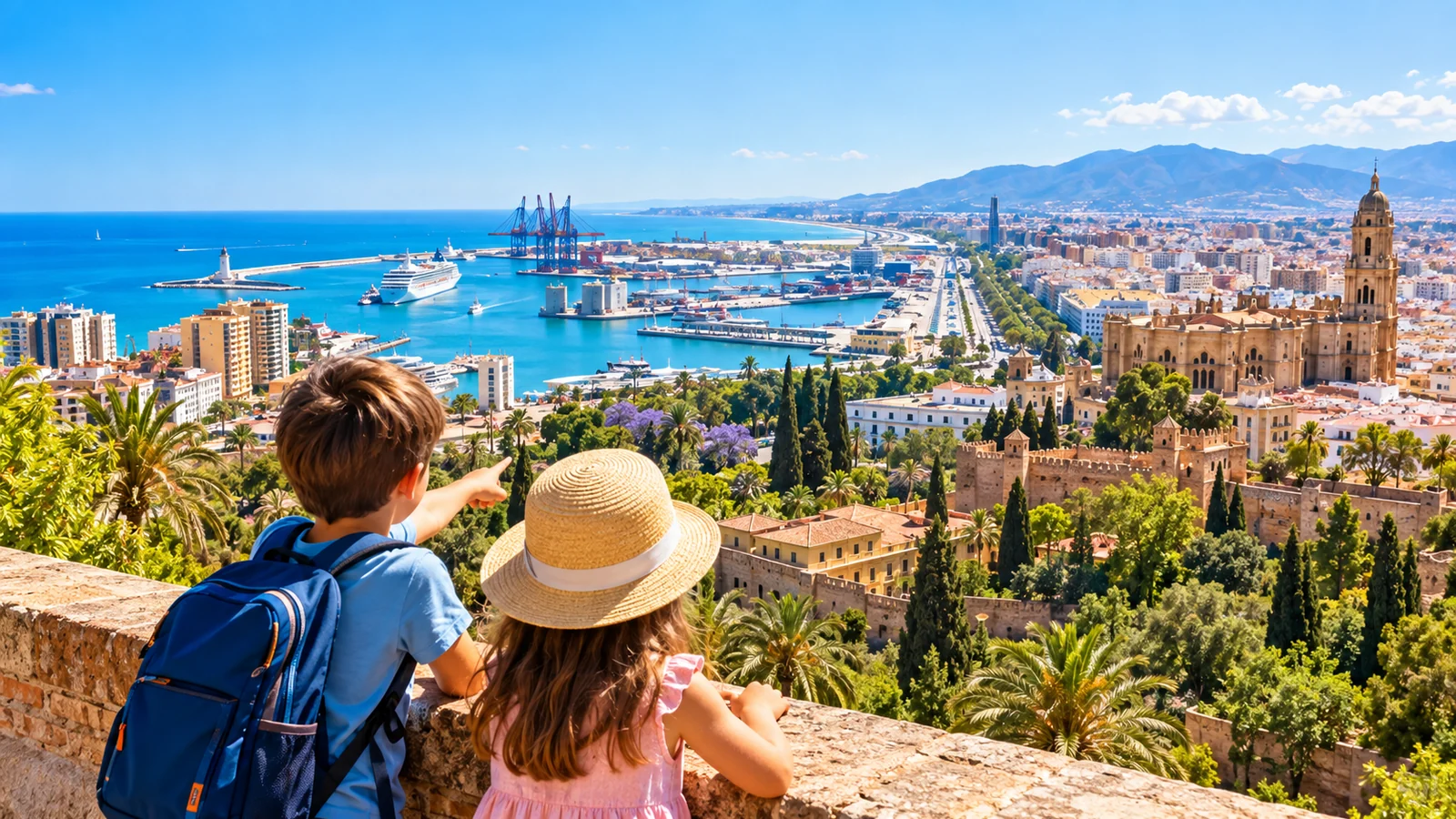
Málaga suits a family that wants an urban holiday with outdoor breaks. Treat the city and beach as complementary parts of the stay, rather than promising a resort routine from every central address.
Start with the family's priority
For accommodation choice, compare the best family areas in Málaga.
Decide whether most days will revolve around city visits or the beach. That choice determines where you should accept a longer journey. Trying to optimise every museum, meal and swim usually produces an overcomplicated plan.
Check the building, not just the map
For everyday logistics, use the practical Málaga guide.
For central accommodation, ask about stairs, lift size, street noise and the entrance with luggage. A location among pedestrian streets may still need a walk from a vehicle drop-off point. Confirm the exact arrival arrangement.
One area per half-day
Group the morning around one manageable area and keep lunch nearby. Crossing the city to connect several short visits can use more energy than the visits themselves, particularly with a buggy or children who need frequent stops.
A realistic first afternoon
For arrival-day planning, use the Málaga Airport to Málaga guide.
After travel, prioritise checking in, finding food and a short orientation walk. Keep paid entry away from an uncertain arrival time. A delayed flight should not turn the first family afternoon into a race against a reservation.
Choose culture by interest
Pick one cultural visit that connects with something a child already likes. Check the visit format and any age guidance before buying. A famous museum is not automatically the most enjoyable choice for your family's particular ages.
Give the beach its own space
Allow for changing, carrying equipment and the journey back before deciding whether beach time fits after sightseeing. Urban proximity does not eliminate those jobs. On some days, choosing beach or city will be more relaxing than doing both.
Transport as a tool
Compare walking with the relevant public transport journey for that day, including stops and transfers. Check the actual service before relying on it. Hiring a car for central days adds a separate parking and pickup decision rather than removing logistics.
Rest belongs in the schedule
For beach-specific family planning, use the best family beaches guide.
Keep a break where it can actually happen: the room, an appropriate indoor stop or a quieter meal. A shaded street alone is not a full heat plan. Reduce outdoor plans when conditions or the children's energy call for it.
Eating with less friction
Find an option near the day's main area and a backup near the accommodation. Confirm kitchen hours and dietary requirements directly. Avoid making hungry children wait for a highly rated restaurant on the opposite side of the city.
Different needs in one family
Let older children choose one theme while younger siblings get regular movement and rest. If adults split briefly, agree a simple reunion place. The day need not contain the same number of visits for every person.
Rain does not guarantee availability
For a bigger change of scene, see the best day trips from Málaga.
Indoor venues may still require booking or have unsuitable hours. Keep a short shortlist and check it before leaving. Do not assume that a museum is a guaranteed shelter with immediate entry just because it is indoors.
Decide what can wait
Leave wider coastal excursions for days when the family actively wants a change. Málaga already combines several types of day. Use separate attraction and accommodation guides for detailed choices after the overall rhythm is settled.
Build the day around energy, not attraction count
With children, the best day usually has one main activity, one easy food stop and one flexible fallback. Heat, queues and walking can make a theoretically simple itinerary much harder. Leave enough unplanned time to shorten the day without feeling that anything essential was missed.
Use the accommodation as part of the plan
A family-friendly base is not only a hotel with a pool. Check walking distance to food, supermarket, beach or transport, and whether the return route works with a buggy or tired child. Being able to return easily for a nap, change of clothes or early evening can matter more than one extra attraction nearby.
Heat and rainy-day fallback
In warm periods, schedule exposed playgrounds, beaches and long walks earlier or later and keep an indoor alternative available. On rainy days, do not assume every attraction is automatically suitable for children or open at the same hours. Check current operation and capacity before travelling across town.
Food and timing
Children often eat better when meals are not pushed too late. Identify a few casual options near the day's main route and avoid making every meal another destination. If allergies or dietary needs matter, verify them directly with the venue rather than relying on an old review.
Transport with children
Compare the full route, not only vehicle time. Stairs, station access, the last walk and crowded peak periods can change the experience. The Costa del Sol transport guide helps with the broader network, while the family beaches guide is useful when beach access is central to the day.
Do not overpromise family suitability
An attraction or area can be useful for families without being ideal for every age. Toddlers, primary-school children and teenagers have different tolerances and interests. Costa Guest should describe the logistics and trade-offs clearly rather than labelling places simply “perfect for kids”.
Continue your Costa del Sol planning
Other published guides for the same destination or a closely related topic.