The chiringuito: beach dining and Costa del Sol culture
On the Costa del Sol, the chiringuito is much more than a restaurant beside the beach.
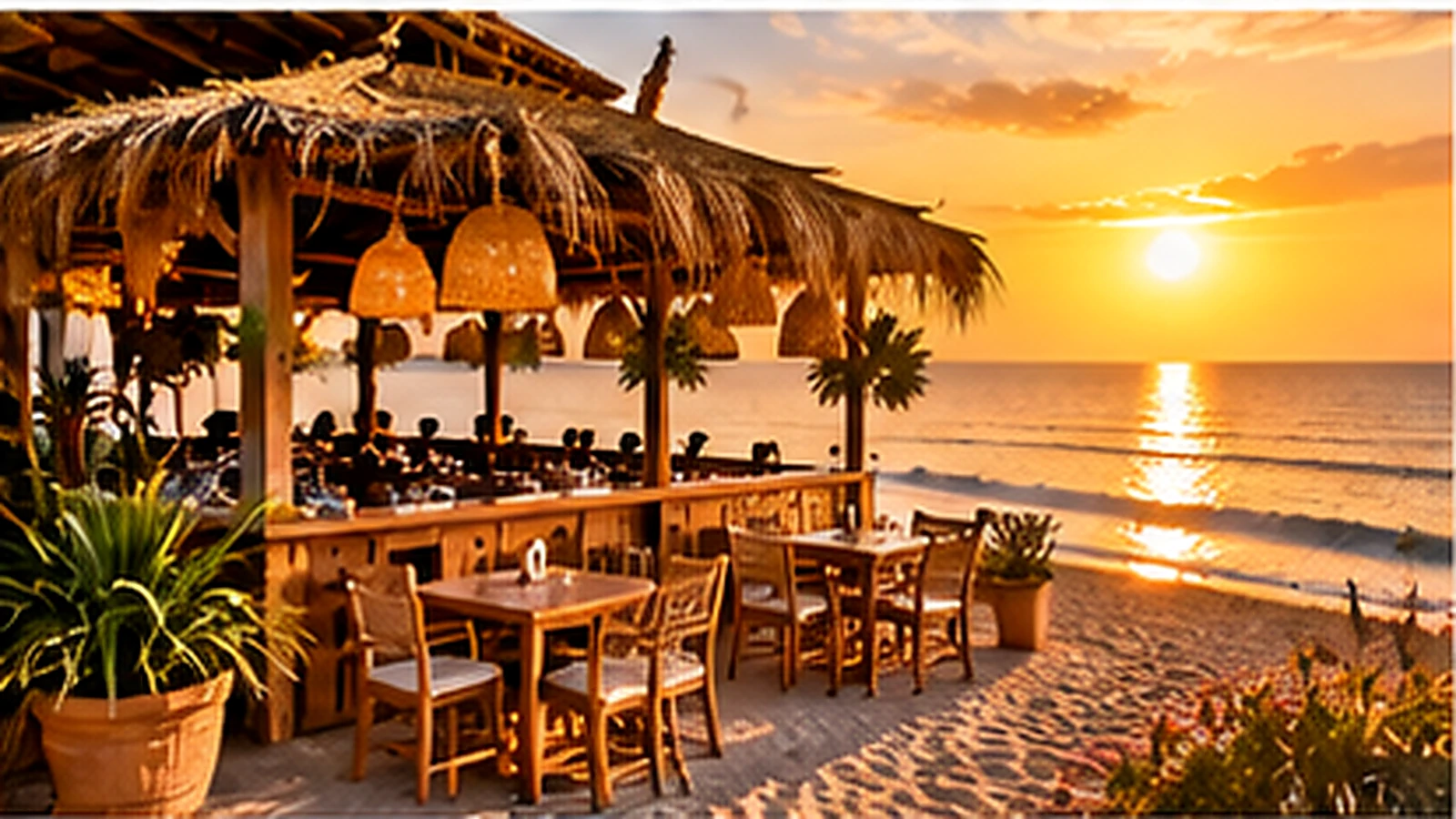
The chiringuito: beach dining and Costa del Sol culture
On the Costa del Sol, the chiringuito is much more than a restaurant beside the beach.
It sits at the meeting point of fishing culture, informal dining, tourism, promenades and the social life of the shoreline. That mixture explains why the chiringuito became one of the most recognisable parts of the Málaga coast.
From working beaches to leisure beaches
The modern beach restaurant belongs to a coastline that has changed dramatically.
Older fishing communities used beaches as working spaces. Boats were hauled onto the sand, nets were handled nearby and fish moved quickly from the sea into local kitchens.
As tourism expanded, many of those same coastal spaces acquired a new role. Beaches became places for leisure and visitors, while food service developed alongside them.
The chiringuito grew inside that transition.
Food kept the maritime connection alive
Even when the beach became more tourist-oriented, the menu often kept a strong connection with the sea.
Espetos, fried fish and other simple seafood dishes remained closely associated with Málaga's coastal identity.
That is why the chiringuito should not be understood only as a tourism business. At its best, it also carries forward part of a working maritime food culture.
The setting matters as much as the menu
A chiringuito is defined partly by place.
Municipal beach information in Málaga explicitly lists chiringuito services as part of the beach environment. The restaurant, therefore, is integrated into a wider public landscape of sand, promenade, bathing and coastal leisure.
Eating there is not quite the same experience as eating the same dish in an inland restaurant.
The sea view, informal rhythm and proximity to the beach are part of the cultural logic.
Tourism changed the format
Tourism also transformed the chiringuito.
Some remained simple and heavily focused on fish. Others became larger restaurants, beach clubs or mixed hospitality businesses.
This variety matters because there is no single authentic model that every venue must follow.
Calling every beach restaurant "traditional" would be misleading.
Why the espeto and the chiringuito fit together
The espeto is one of the clearest examples of how food and setting reinforce each other.
The technique is designed around open embers and a coastal cooking environment. The chiringuito gives that technique a social setting: shared tables, informal meals and direct contact with the beach.
Together, they became part of the visual identity of the Costa del Sol.
The chiringuito is both heritage and business
There is a useful tension here.
The chiringuito belongs to a living tradition, but it is also a commercial business operating in a modern tourism economy.
That means the cultural explanation can be stable while the practical details cannot.
Venues open and close. Menus change. Concessions change hands. Prices and hours vary.
Those operational details belong in a live layer, not in an evergreen article about the culture itself.
How to choose one without falling for clichés
Instead of chasing the idea of the single "most authentic" chiringuito, look for signs that the place fits the experience you want.
If you care about seafood, look for visible fish cooking and a menu rooted in local coastal dishes. If you care more about atmosphere, a promenade setting or sunset may matter more.
There is no need to turn one venue into the definitive version of Costa del Sol culture.
The chiringuito is interesting precisely because it keeps changing while still preserving a recognisable relationship between beach, food and social life.
The chiringuito is a social space as much as a restaurant
Its importance is not limited to food.
Beach dining creates a meeting point between residents, visitors, fishing traditions and the rhythm of a day by the sea. Lunch can extend into conversation, shade and a slower afternoon.
That social role helps explain why the chiringuito became part of coastal identity rather than simply another restaurant format.
Sources used for this draft
- Ayuntamiento de Málaga · Playa de El Dedo
- Ayuntamiento de Málaga · Playa de Fábrica de Cemento
- Junta de Andalucía · BIC Carpintería de Ribera en la provincia de Málaga
Continue your Costa del Sol planning
Other published guides for the same destination or a closely related topic.