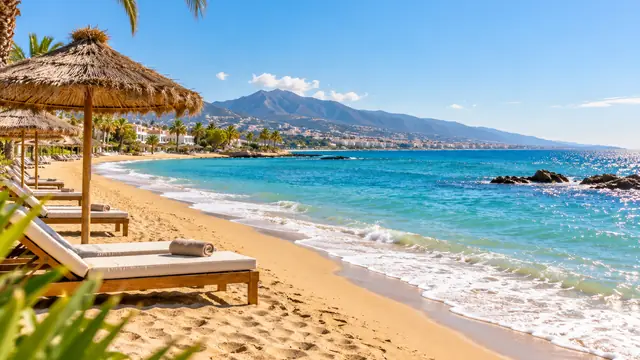
Hamacas El Zagal TANGO 71
C. Quitapenas, 23
Hamacas El Zagal TANGO 71 is a beach at C. Quitapenas, 23, Málaga-Este, 29017 Málaga, Spain.
Find restaurants, activities, shops, services and more by destination and category.
C. Quitapenas, 23
Hamacas El Zagal TANGO 71 is a beach at C. Quitapenas, 23, Málaga-Este, 29017 Málaga, Spain.
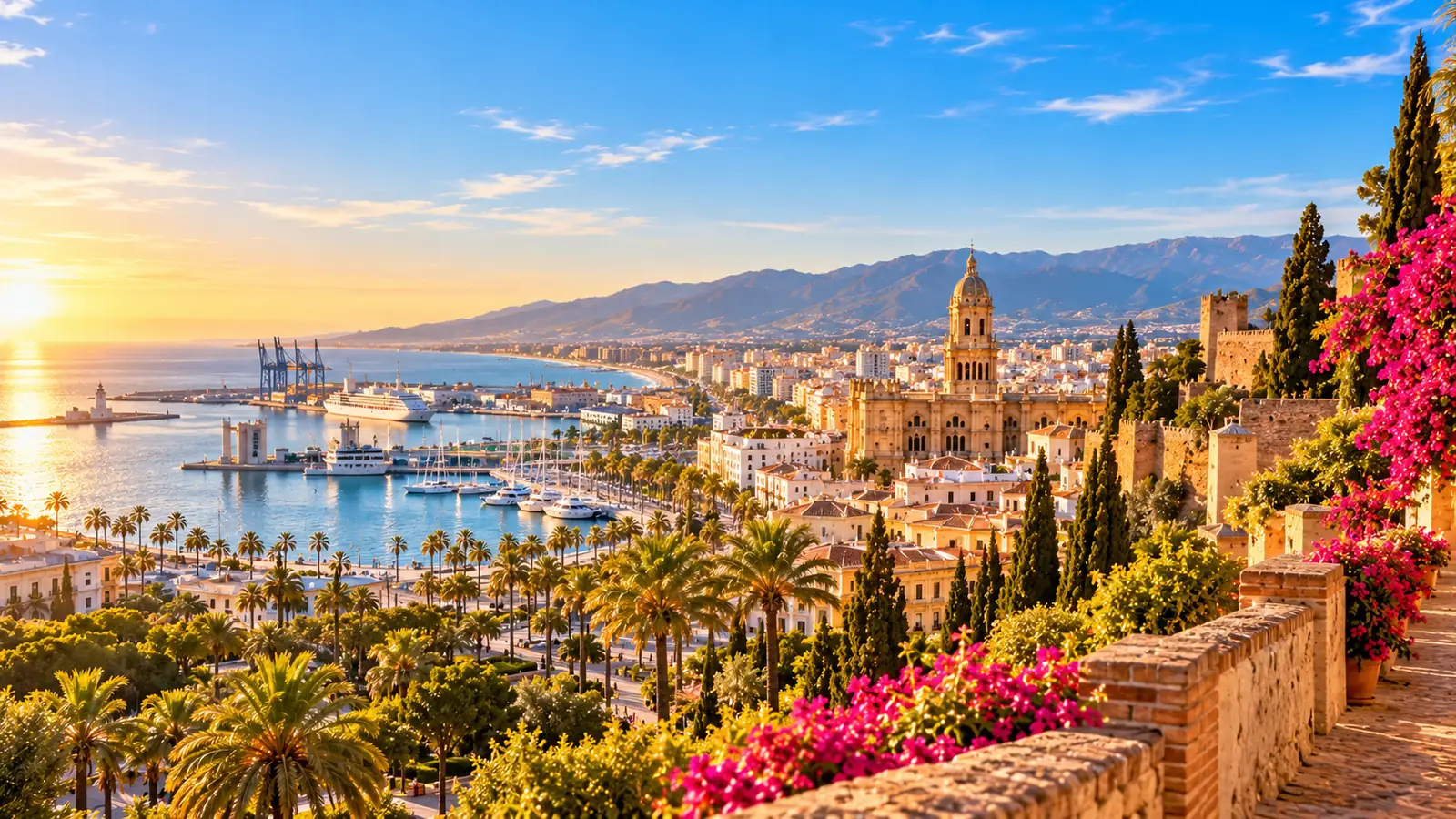
Churriana, Province of Málaga
Playa nudista Guadalmar is a beach in Churriana, 29004 Málaga, Province of Málaga, Spain.
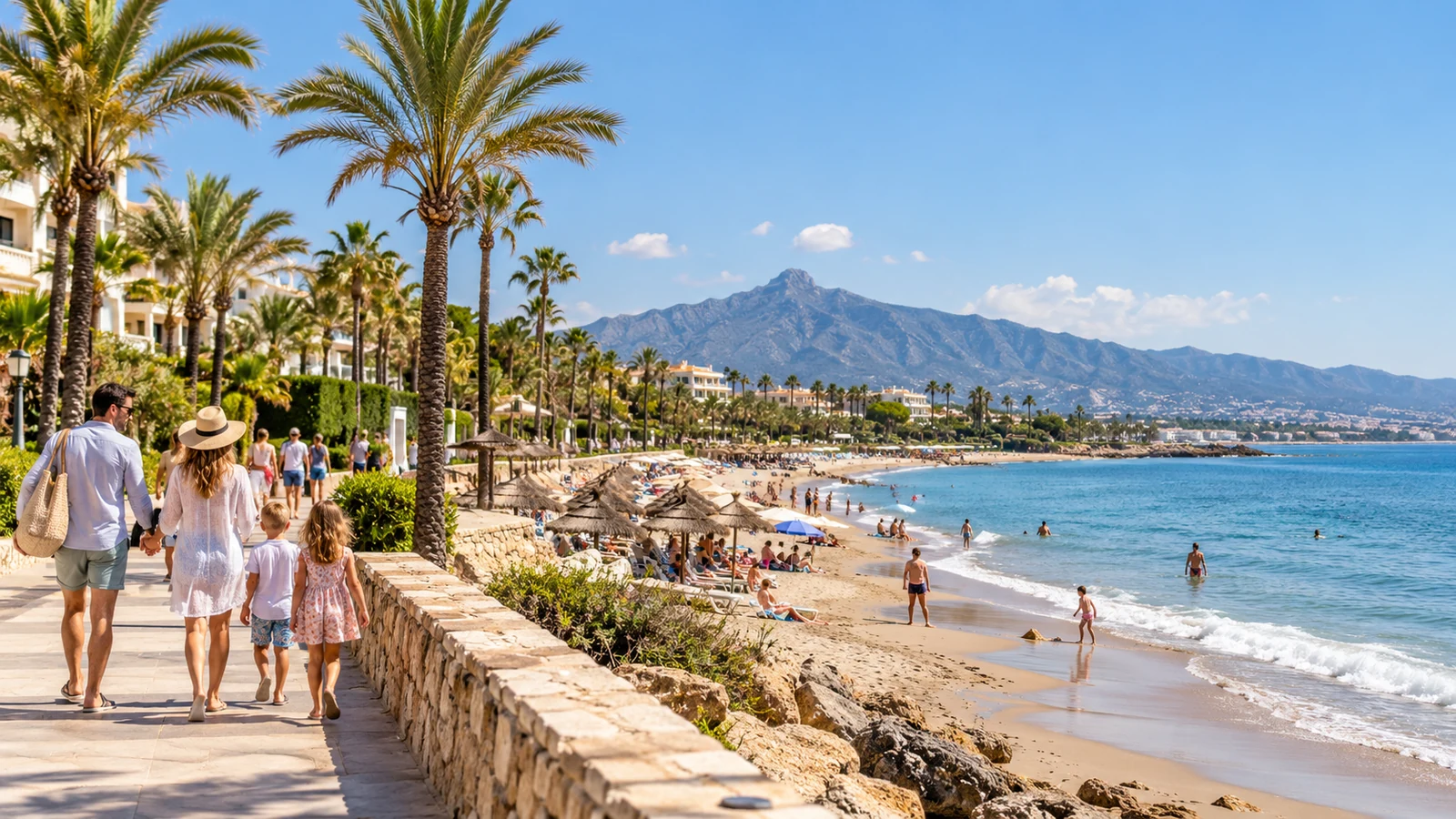
C. Obsidiana, Cruz de Humilladero
Benajarafe Paseo Maritimo is a beach at C. Obsidiana, Cruz de Humilladero, 29006 Málaga, Spain.
C/ Pacífico, 123
La Piedra is a beach at C/ Pacífico, 123, Carretera de Cádiz, 29004 Málaga, Spain.
Palma-Palmilla, Province of Málaga
Lanas Arroyo De La Miel is listed as a beach at Palma-Palmilla, 29011 Málaga, Province of Málaga, Spain.
P.º Maritimo Antonio Machado, 62
Playa de Huelin is a beach at P.º Maritimo Antonio Machado, 62, Carretera de Cádiz, 29002 Málaga, Spain. Website:
Paseo Marítimo Antonio Banderas, Carretera de Cádiz
Playa de la Misericordia is a beach at Paseo Marítimo Antonio Banderas, Carretera de Cádiz, 29004 Málaga, Spain.
P.º Tanima, 7
Playa de Sacaba is a beach at P.º Tanima, 7, Carretera de Cádiz, 29004 Málaga, Spain.
Churriana, Province of Málaga
Playa Guadalhorce is a beach in Churriana, 29004 Málaga, Province of Málaga, Spain.
Province of Málaga
Playa La Caleta is a beach in 29016 Málaga, Province of Málaga, Spain.
P.º Marítimo Pablo Ruiz Picasso, Málaga-Este
Playa la Malagueta is a beach at P.º Marítimo Pablo Ruiz Picasso, Málaga-Este, 29016 Málaga, Spain.
C. Banda del Mar, 109
Playas de El Palo is a beach at C. Banda del Mar, 109, Málaga-Este, 29017 Málaga, Spain.
Este, Province of Málaga
Playa El Dedo is a beach in Este, 29017 Málaga, Province of Málaga, Spain.
Málaga can work very well for travellers with mobility needs because it combines a compact central area, an accessible Metro network, rail, buses, taxis, museums and several adapted beaches. The useful question is not whether Málaga is “accessible” in general. It is whether your exact daily routes — hotel, transport, historic centre, beach, museum and dinner — work together without unnecessary barriers. ## Quick answer Málaga is especially strong if you want: - an urban base with several transport options; - accessible Metro stations and trains; - adapted beach services; - museums and indoor plans; - central hotels; - short taxi journeys as backup. ## Metro Málaga Metro Málaga states that accessibility is one of its core service commitments. Its current service documentation says stations and trains are designed without architectural barriers. Facilities include: - lifts; - accessible ticket machines and gates; - tactile guidance; - low-floor trains; - visual and acoustic information; - wider access gates. This makes Metro one of the strongest parts of an accessible Málaga trip. ## Atarazanas and central access The network reaches Atarazanas in central Málaga. That can be useful for visitors who want access to Centro without relying entirely on taxis. Still check the final pavement route between the station and your accommodation or attraction. Historic-centre streets can vary in surface and crowding. ## María Zambrano / El Perchel María Zambrano is one of the most useful arrival points for travellers with mobility needs. It connects: - long-distance rail; - C1/C2; - Metro; - buses; - taxis. If you arrive by AVE or from the airport, staying near this interchange can reduce unnecessary transfers. ## C1 airport connection C1 links Málaga Airport with María Zambrano and central Málaga. For travellers who can use rail comfortably, this can be an efficient airport transfer. If luggage or mobility equipment makes the last leg difficult, train + taxi can be a better combination than forcing the full route on foot. ## City buses Málaga also has an extensive urban bus network. For a specific route, check: - boarding height; - wheelchair space; - stop location; - final pavement; - service frequency. Do not assume that a bus stop close on a map means the complete route is easy. ## PMR parking Málaga's Mobility Department states that the city has more than 800 reserved parking spaces for people with reduced mobility. That is useful for visitors who drive, but always check the exact legal conditions and route from the bay to your destination. The city also maintains PMR parking along beach areas. ## Assisted bathing 2026 Málaga's 2026 “Disfruta la Playa” programme provides assisted bathing for people with mobility needs. The staffed assisted-bathing points are: - Playa de la Misericordia; - Playa de El Dedo; - Playa de la Malagueta. The service operates seasonally and requires advance booking. Do not assume staffed assistance is available year-round. ## Autonomous bathing points The 2026 programme also lists autonomous bathing points where users can request amphibious equipment from nearby beach staff. These are at: - Guadalmar; - San Andrés; - La Caleta; - Pedregalejo; - El Palo. This gives visitors several options across the city's coastline. ## La Malagueta La Malagueta is particularly useful because it combines: - central location; - promenade; - restaurants; - accessible beach point; - assisted bathing in season; - bus access. For travellers who want city + beach, it is one of the strongest choices. ## Misericordia Misericordia is another major assisted-bathing location. It can be especially useful for visitors staying west of the centre or near María Zambrano / Huelin. Its promenade-based setting can make day planning simpler than a hillier beach destination. ## El Dedo / eastern Málaga El Dedo provides another staffed assisted-bathing point. Pedregalejo and El Palo also have autonomous bathing facilities in the 2026 programme. This makes the eastern coastline relevant for travellers who prefer a more local seafront environment. ## Season matters The 2026 programme is seasonal. Before travelling, confirm: - operating dates; - booking procedure; - hours; - equipment; - sea conditions; - exact meeting point. A beach can remain physically accessible even when staff support is not operating. ## Historic centre Málaga's historic centre is largely pedestrian-friendly, but surfaces vary. Expect: - smooth renovated streets; - some traditional paving; - café terraces; - crowding; - occasional temporary works. A wheelchair or rollator route should be planned around the specific attractions you want to visit. ## Museums One of Málaga's biggest advantages is the number of indoor cultural options. When planning a museum day, check: - step-free entrance; - lift; - accessible toilet; - seating; - cloakroom; - route from Metro/taxi. Do not assume every historic building has the same access conditions. ## Rainy days Málaga is stronger than many beach resorts on rainy days. You can build a low-friction day around: - museums; - cafés; - markets; - shopping; - Metro; - indoor attractions. This is particularly useful for travellers who do not want the trip to depend entirely on beach weather. ## Accommodation Confirm the exact room and route. Ask: - step-free entrance? - lift dimensions? - guaranteed adapted room? - roll-in shower? - grab rails? - side-transfer space? - breakfast access? - pool access? - current photos? A hotel can advertise accessibility while only some rooms or areas work for your needs. ## Centro or María Zambrano? **Centro** is stronger for restaurants, culture and walking. **María Zambrano** is stronger for transport, airport, rail and day trips. For limited mobility, the best choice depends on which routes you will repeat every day. ## La Malagueta or Huelin? **La Malagueta** is better for city + beach. **Huelin/Misericordia** can be better for a more residential seafront routine and proximity to the western side of the city. The right answer depends on whether culture or daily beach routine matters more. ## Taxi Taxi is a useful backup even in a city with strong public transport. A short taxi can remove: - a difficult hill; - a long final walk; - luggage; - fatigue; - summer heat. If you need an adapted vehicle, prebook rather than relying on immediate availability. ## Wheelchairs For manual wheelchair users, focus on: - hotel entrance; - station lifts; - pavement quality; - beach access; - taxi backup. Powered-wheelchair users should also check: - lift dimensions; - charging; - vehicle loading. ## Rollators and canes Málaga can work very well if you choose a compact central zone. Plan shorter loops with cafés and seating. Avoid trying to cross the whole city on foot just because it looks compact on a map. ## Visual accessibility Metro Málaga provides tactile guidance and adapted facilities for visually impaired users. The city also states that many signalised crossings have acoustic systems. If a specific feature is essential, confirm the exact route. ## Hearing accessibility Visual information on Metro and other transport can be useful. For hotels and attractions, confirm whether: - visual alarms; - written instructions; - captioning; - hearing support are available when needed. ## Heat Summer heat can turn an otherwise accessible route into a tiring one. Plan: - morning/evening outings; - shaded rest; - shorter routes; - water; - taxi fallback. ## A practical accessible day A simple central day might be: - Metro/taxi into Centro; - one museum; - lunch nearby; - hotel rest; - La Malagueta; - dinner close to accommodation. A western-city day might be: - Misericordia; - promenade; - lunch; - rest; - María Zambrano / Huelin. ## When Málaga is a strong choice Málaga is especially strong when you value: - accessible Metro; - rail and airport connectivity; - multiple beach-access options; - cultural depth; - indoor alternatives; - short taxi availability. ## When another base may be easier Fuengirola may be easier if you want a smaller, flatter-feeling beach town with C1. A verified fully accessible resort may be better if you want to minimise public-street movement. ## Before booking Confirm: 1. exact hotel entrance; 2. bathroom; 3. nearest Metro/C1 stop; 4. lift status; 5. beach point; 6. assisted-bathing dates; 7. taxi needs; 8. PMR parking; 9. museum access; 10. heat/rest strategy. Málaga works best when you build a compact daily zone instead of trying to use the whole city every day. ## Sources - Metro de Málaga — service accessibility documentation. - Ayuntamiento de Málaga — Disfruta la Playa 2026. - Ayuntamiento de Málaga — mobility information for people with reduced mobility. - Ayuntamiento de Málaga — 2026 beach services. Accessibility and seasonal services can change. Confirm current official information before travel.
Read guide →Málaga is one of the easiest Costa del Sol destinations for couples because you can combine culture, food, beach, nightlife and transport without needing a car. It works especially well for couples who want to do more than stay inside a resort. You can spend the morning in a museum, have lunch in the historic centre, walk to the port, swim in the afternoon and finish with dinner or a rooftop drink. The best area depends on whether you want city energy, beach convenience or a quieter local routine. ## Quick answer Choose: - **Centro Histórico** for museums, restaurants, nightlife and maximum walkability. - **Soho** for a slightly calmer creative district close to Centro and the port. - **La Malagueta** for beach access while staying near the centre. - **Huelin** for a more residential seafront feel and longer stays. - **María Zambrano area** for transport convenience and easy airport/train connections. ## Centro Histórico Centro is the strongest all-round choice for a first couple’s trip. You can walk to: - museums; - restaurants; - bars; - historic streets; - cathedral area; - Alcazaba; - port; - shopping. Málaga’s municipal Culture Department maintains year-round programming, and the city has major cultural institutions such as Museo de Málaga, Museo Picasso Málaga, Centre Pompidou Málaga and Carmen Thyssen. If culture and food matter most, Centro is the obvious base. ## Centro evenings The advantage of staying in Centro is that the evening starts immediately outside your hotel. You can have dinner without planning transport and continue for: - wine; - cocktails; - live music; - rooftop drinks; - late dessert. The trade-off is noise. Some central streets are busy late into the night, so read recent accommodation reviews carefully. ## Soho Soho works well for couples who want to stay near Centro but prefer a slightly less tourist-dense atmosphere. It sits between the historic centre and the port/rail area and is associated with street art and a more contemporary urban feel. From Soho you can walk to: - Centro; - Muelle Uno; - port; - museums; - restaurants; - María Zambrano. It is a strong compromise for a three- or four-night break. ## La Malagueta La Malagueta is best when beach is central to the trip. The municipal beach page describes La Malagueta as one of Málaga’s main urban beaches, close to the historic centre, with promenade, services and public transport. This means you can have: - beach in the morning; - lunch by the sea; - Centro in the afternoon; - dinner downtown. For couples who want both beach and city, this is one of Málaga’s most practical combinations. ## Huelin Huelin can be a better fit for longer stays. It gives: - beach; - promenade; - supermarkets; - local cafés; - more residential rhythm; - access toward María Zambrano. It feels less like a city-break district and more like somewhere you can settle into a routine. For one week or more, that can be more relaxing than staying in the busiest part of Centro. ## María Zambrano The María Zambrano area is not the most romantic-looking base, but it is extremely practical. You have: - main rail station; - C1/C2; - shopping; - airport access; - easy connection to Centro. It can be ideal when: - you arrive late; - you plan several day trips; - you have an early train; - transport matters more than historic atmosphere. For a couple doing a multi-destination trip, practicality can beat postcard charm. ## Culture-focused couples Málaga is one of the strongest cultural bases on the Costa del Sol. You can build full days around: - art; - archaeology; - historic streets; - galleries; - theatre; - temporary exhibitions. This makes Málaga especially good outside peak summer because the trip does not depend entirely on beach weather. If you both enjoy museums, Málaga has more depth than most resort towns. ## Food-focused couples Food is another major reason to choose Málaga. The city gives you: - traditional tapas; - seafood; - modern restaurants; - markets; - wine bars; - rooftop venues; - fine dining. For a short romantic trip, staying somewhere walkable to dinner is often more valuable than paying extra for a larger room. Book important restaurants in advance during busy weekends or events. ## Beach-focused couples If beach matters every day, La Malagueta or Huelin are more natural than deep Centro. La Malagueta is better for a short trip because it keeps the city centre very close. Huelin can feel more local and spacious for longer stays. Málaga’s advantage is that you do not have to choose between “city” and “beach” as completely separate holidays. ## Nightlife Málaga has a true city nightlife scene. That means more variety than a single nightlife strip. You can find: - cocktail bars; - rooftops; - clubs; - live music; - late restaurants. If you want energetic evenings, Centro is strongest. If you want to sleep earlier, choose a quieter street in Soho, Huelin or La Malagueta. ## Rooftops and views Rooftop bars are a popular couple’s activity in Málaga because they combine city views with drinks and sunset. Do not assume every rooftop is open year-round or accessible without a reservation. Opening hours and access policies can change. For a special evening, check the current venue details before going. ## Without a car Málaga is excellent without a car. You have: - C1; - C2; - Metro; - EMT buses; - taxis; - walkable centre. You can reach the airport directly by C1 and make easy trips toward Torremolinos, Benalmádena and Fuengirola. This makes Málaga one of the easiest romantic city-break bases in southern Spain. ## With a car A car is usually unnecessary for a city-focused stay. It becomes useful if you plan: - inland villages; - remote beaches; - golf; - rural day trips. But parking in central Málaga can add cost and friction. If the car will sit in a garage most days, consider renting only for the days you need it. ## Three-night break Málaga is particularly strong for 2–4 nights. You lose little time on transport because: - airport is close; - C1 is direct; - Centro is dense; - beach is nearby. A simple plan: - day 1: Centro + rooftop; - day 2: museum + beach; - day 3: market + port + dinner. You can have a full trip without changing neighbourhood every hour. ## One-week stay With seven nights, you can slow down. Mix: - cultural days; - beach days; - one or two day trips; - a quieter local day. Huelin or La Malagueta can become more attractive than Centro for a full week. ## Split stay If you want Málaga plus a resort destination, a split can make sense. For example: - 3 nights Málaga; - 4 nights Nerja, Marbella, Torremolinos or Fuengirola. Do not split a very short trip. Changing hotel uses more time than it looks. ## Special occasions For anniversaries or celebrations, think beyond “romantic package”. Check: - room quietness; - balcony/view; - restaurant reservation; - rooftop booking; - spa if relevant; - late checkout; - airport transfer; - cancellation. The strongest romantic trip usually comes from getting these basics right. ## Rainy-day resilience This is one of Málaga’s biggest advantages. If weather turns bad, you still have: - museums; - markets; - restaurants; - cafés; - shopping; - cultural venues. A couple’s trip does not collapse because the beach is unusable for one day. ## Budget Málaga can work at different budget levels. The main mistake is booking a cheaper room far from your daily plans and then paying for taxis. A slightly more expensive central room may be better value for a short stay. For longer trips, Huelin or areas around María Zambrano can offer a different balance of price and convenience. ## Accessibility Málaga has one of the strongest accessible public-transport systems on the Costa del Sol. Metro, EMT and rail create good options for travellers with mobility needs. Still check the exact street, hotel entrance and beach access. Accessibility is always route-specific. ## Best area by couple style **Culture + food:** Centro Histórico. **Creative + central:** Soho. **Beach + city:** La Malagueta. **Longer stay + local routine:** Huelin. **Transport-first:** María Zambrano. **Nightlife:** Centro. ## Before booking Check: 1. exact street; 2. nighttime noise; 3. walking distance to dinner; 4. beach distance; 5. airport route; 6. train/Metro; 7. whether you need a car; 8. special-occasion reservations; 9. room type; 10. cancellation. Málaga works best for couples who want variety without complicated logistics. ## Sources - Ayuntamiento de Málaga — Área de Cultura and current cultural programming. - Ayuntamiento de Málaga — La Malagueta beach information. - Renfe — Málaga Cercanías / C1 airport and coastal transport. - Metro de Málaga — current city transport network. Schedules and venue operations can change. Check current details before travelling.
Read guide →Málaga and Nerja are both excellent Costa del Sol bases, but they solve very different travel needs. Málaga is a major city with museums, urban beaches, nightlife, rail, Metro, airport access and year-round cultural life. Nerja is smaller, more intimate and better suited to travellers who want beaches, the Balcón de Europa, natural scenery and a slower daily rhythm. The better choice depends on what you want to do most days. ## Quick answer Choose **Málaga** if you want: - museums and culture; - excellent public transport; - airport convenience; - city restaurants and nightlife; - easier day trips by train; - a short city break. Choose **Nerja** if you want: - smaller-town atmosphere; - beaches and coves; - Balcón de Europa; - easier access to eastern-coast nature; - quieter evenings; - a stay focused on one compact destination. ## Málaga feels like a city Málaga is not simply a resort with a historic centre. It is a functioning city with: - museums; - shopping; - neighbourhoods; - theatres; - cultural programming; - urban beaches; - train and Metro. The municipal Culture Department runs a year-round programme, and the city has major institutions such as Museo de Málaga, Centre Pompidou Málaga, Museo Picasso Málaga and the Carmen Thyssen Museum. If culture matters, Málaga wins clearly. ## Nerja feels smaller Nerja’s strength is scale. The municipality promotes the Balcón de Europa, Cueva de Nerja, beaches, natural areas and Mediterranean character as central parts of its tourism identity. Its centre is much smaller than Málaga’s. That makes it easier to settle into a slower rhythm: - breakfast near the centre; - beach; - lunch; - afternoon rest; - evening walk around Balcón de Europa. For many couples, that simplicity is the attraction. ## Beaches Málaga has urban beaches such as La Malagueta and La Caleta close to the historic centre. La Malagueta is around 1.2 km long and has promenade, restaurants, public transport and an accessible point. This makes Málaga excellent if you want city and beach in the same day. Nerja has a more varied coastline with urban beaches and smaller coves. Burriana is one of its best-known beaches, while Torrecilla, El Playazo and smaller central beaches offer different experiences. Choose Málaga for easy urban-beach convenience. Choose Nerja for a more coastal-holiday feel. ## Culture Málaga is the stronger choice. You can build entire days around: - museums; - historic streets; - cathedral area; - Alcazaba; - galleries; - cultural events; - gastronomy. Nerja still offers cultural interest, especially Balcón de Europa, Cueva de Nerja and local history, but the scale is much smaller. For a traveller who wants a new museum or neighbourhood every day, Málaga is better. ## Nature Nerja has the advantage for immediate access to natural landscapes. The municipality highlights: - Parque Natural Sierras de Tejeda, Almijara y Alhama; - Acantilados de Maro-Cerro Gordo; - beaches and coves; - marine activities. If hiking, viewpoints, kayaking or nature are major priorities, Nerja fits more naturally. Málaga can still be a base for nature day trips, but it is fundamentally more urban. ## Airport access Málaga is much easier. Málaga Airport connects directly by C1 train with Málaga city. Nerja has no railway station. You need bus, taxi, transfer or rental car. For a 3-night trip, this difference matters a lot. For 10 nights, an extra transfer on arrival may matter much less. ## Public transport Málaga has: - C1; - C2; - Metro; - EMT urban buses; - long-distance rail; - main bus station. Nerja depends mainly on buses and road transport. If you want to explore multiple Costa del Sol destinations without a car, Málaga is the stronger base. ## Without a car Choose Málaga if you want maximum flexibility without driving. You can reach Torremolinos, Benalmádena and Fuengirola by C1. You also have direct airport rail. Nerja can still work without a car if you mainly stay in Nerja and use buses for selected trips. The difference is not “possible versus impossible”; it is “easy network versus more planning”. ## With a car A car makes Nerja more flexible. You can explore: - Maro; - Frigiliana; - inland Axarquía; - natural areas; - eastern beaches. In Málaga city, a car can become inconvenient because of parking and city traffic. For a city-focused stay, public transport is usually easier. ## Food Both destinations are good, but in different ways. Málaga has a much larger restaurant scene, from traditional tapas to modern gastronomy, rooftop venues and fine dining. Nerja has a strong mix of restaurants, bars and chiringuitos concentrated in a smaller area. Choose Málaga for variety. Choose Nerja if you prefer a more intimate repeatable routine where favourite restaurants quickly become “your places”. ## Nightlife Málaga has more nightlife variety and a stronger urban evening scene. Nerja has bars and evening activity but feels smaller and more relaxed. For clubs, late bars and variety, Málaga wins. For long dinners and quieter evening walks, Nerja may be better. ## Couples Málaga suits couples who want: - food; - culture; - rooftops; - city walks; - spontaneous plans. Nerja suits couples who want: - beaches; - viewpoints; - quieter evenings; - a compact romantic base. Neither is automatically more romantic. It depends on whether your idea of romance is city energy or slower coastal life. ## Families Málaga works well for older children who enjoy museums, city attractions and variety. Nerja can be easier for families who prefer a simpler beach-centred routine. With babies or toddlers, accommodation location matters more than destination name. Check: - supermarket; - stroller route; - beach access; - transfer; - room setup. ## Accessibility Málaga has a stronger public-transport accessibility network, including Metro and accessible urban bus systems. Nerja has improved accessibility at several beaches and public spaces, but its natural gradients make planning more important. For travellers needing flatter terrain and stronger public transport, Málaga is usually easier. See [accessible Nerja](/en/guides/accessible-nerja). ## Three-night trip For 2–4 nights, Málaga usually makes more sense. Why? - airport is easier; - no car needed; - more activities in a compact period; - less arrival/departure friction. Nerja can still work if the entire purpose is a quiet beach escape. ## One-week trip For seven nights, both are excellent. Choose Málaga for daily variety and day trips. Choose Nerja for a slower rhythm with beach and nature. One week gives enough time for Nerja’s transfer to matter less. ## Ten days or more With a longer trip, a split stay can make sense. For example: - 3–4 nights Málaga; - 5–7 nights Nerja. This gives you urban culture first and a slower coastal second half. Do not split the stay if you dislike packing and moving. ## Day trips From Málaga, easy options include: - Torremolinos; - Benalmádena; - Fuengirola; - Córdoba or Granada by longer rail/coach planning; - other city excursions. From Nerja, natural fits include: - Frigiliana; - Maro; - caves; - eastern beaches; - Axarquía. Your preferred day trips can decide the base. ## Accommodation style Málaga offers: - city hotels; - apartments; - boutique hotels; - hostels; - luxury hotels. Nerja offers: - apartments; - small hotels; - villas; - resort-style properties; - central guesthouses. For a longer stay, apartment value can be strong in both places. ## Noise Central Málaga can be noisy, especially near nightlife streets. Central Nerja can also be lively in summer, but the scale is smaller. Read recent reviews for nighttime noise. Do not assume “small town” means silent. ## Weather and season Both share the Costa del Sol climate, but the trip style changes by season. In summer, Nerja’s beaches and coves become especially attractive but busier. In winter, Málaga’s museums, food scene and urban life can provide more all-weather resilience. For shoulder season, both work very well. ## Which one feels more local? Both are tourism destinations. Málaga also has a large permanent city population and everyday urban life well beyond tourism. Nerja is smaller and tourism is more visible in the centre. If you want a destination that feels like a city first and tourist destination second, Málaga wins. If you want a Mediterranean holiday town, Nerja fits better. ## Best choice by travel style **Culture + food:** Málaga. **Beach + smaller-town atmosphere:** Nerja. **No car:** Málaga. **Nature + eastern coast:** Nerja. **Short break:** Málaga. **Slow week:** Nerja. **Nightlife:** Málaga. **Quiet evenings:** Nerja. **Museums:** Málaga. **Coves and viewpoints:** Nerja. ## Before booking Ask: 1. Do I want city or small-town rhythm? 2. How many nights? 3. Do I have a car? 4. Are museums or beaches more important? 5. Do I want nightlife? 6. Which day trips matter? 7. How much airport-transfer friction will I accept? 8. Do I need accessible transport? Once those answers are clear, the choice between Málaga and Nerja is usually easy. ## Sources - Ayuntamiento de Málaga — current cultural infrastructure and municipal tourism resources. - Ayuntamiento de Málaga — La Malagueta and La Caleta beach information. - Ayuntamiento de Nerja — tourism positioning around Balcón de Europa, Cueva de Nerja, beaches and natural areas. - Ayuntamiento de Nerja — current Balcón de Europa and 2025/2026 visitor information. Attraction schedules and transport can change. Check current information before travelling.
Read guide →